
Category: Uncategorized

  • Physiotherapy: What It Is, How It Works, and Why It’s Important

    Physiotherapy: What It Is, How It Works, and Why It’s Important

    In today’s fast-paced world, injuries, chronic pain, and mobility issues are becoming increasingly common. Whether it’s recovering from surgery, managing arthritis, or healing after an accident, physiotherapy plays a crucial role in helping people regain strength, flexibility, and confidence in their movement.

    Physiotherapy, often called physical therapy, is a science-backed healthcare practice that focuses on restoring and maintaining your body’s physical function. It’s suitable for people of all ages and conditions — from athletes recovering from injuries to seniors improving balance and mobility.

    In this article, we’ll explore what physiotherapy is, how it works, its benefits, uses, importance, and any possible side effects so you can understand how it can help you live a healthier, pain-free life.

    What Is Physiotherapy?

    Physiotherapy is a form of treatment that helps individuals recover, maintain, and improve their physical abilities through movement, exercise, manual therapy, and education.

    Physiotherapists are trained healthcare professionals who assess your condition, identify the root cause of pain or movement issues, and design personalized treatment plans to help you regain optimal physical function.

    The goal of physiotherapy isn’t just to relieve pain temporarily — it’s to address the underlying problem, strengthen your body, and prevent future injuries.

    How Does Physiotherapy Work?

    Physiotherapy combines multiple techniques to treat both acute and chronic conditions. The process typically involves:

    1. Assessment & Diagnosis
      The physiotherapist begins by assessing your medical history, physical condition, posture, muscle strength, and range of motion to identify the cause of your symptoms.

    2. Personalized Treatment Plan
      A customized plan is created based on your condition, goals, and lifestyle. This plan may include exercises, manual therapy, and other techniques tailored to your specific needs.

    3. Active Therapy (Exercises & Stretches)
      Targeted exercises help improve flexibility, mobility, and muscle strength. These movements are designed to restore normal function and prevent stiffness.

    4. Manual Therapy
      Hands-on techniques such as joint mobilization, massage, and manipulation help relieve muscle tension, increase circulation, and enhance joint movement.

    5. Electrotherapy & Other Modalities
      Depending on your condition, additional methods like ultrasound therapy, TENS (Transcutaneous Electrical Nerve Stimulation), or heat/cold therapy may be used to reduce pain and inflammation.

    6. Education & Prevention
      Physiotherapy also focuses on educating patients about posture correction, ergonomics, and self-care exercises to maintain long-term health and prevent recurrence.

    The combination of these approaches ensures a holistic, safe, and effective recovery process.

    Benefits of Physiotherapy

    Physiotherapy provides a wide range of health benefits, both physical and psychological. Here are some of the key advantages:

    1. Pain Relief

    Techniques like manual therapy, ultrasound, and electrotherapy help relieve chronic and acute pain by improving blood flow and reducing muscle tension.

    2. Improved Mobility & Flexibility

    Whether you have trouble walking, bending, or moving your arms, physiotherapy exercises can help restore flexibility and range of motion.

    3. Faster Recovery After Injury or Surgery

    Physiotherapy accelerates healing after sports injuries, fractures, or surgical procedures by rebuilding strength and preventing stiffness.

    4. Prevention of Future Injuries

    By identifying weak areas in your body and correcting posture or movement patterns, physiotherapy helps prevent recurring injuries.

    5. Enhanced Balance and Coordination

    For seniors or those with neurological conditions, physiotherapy improves balance and coordination, reducing the risk of falls.

    6. Drug-Free Treatment Option

    Unlike pain medications, physiotherapy offers a natural, non-invasive approach to healing without side effects or dependency.

    7. Improved Quality of Life

    By restoring function and reducing pain, physiotherapy enhances overall well-being, confidence, and independence in daily activities.

    Common Uses of Physiotherapy

    Physiotherapy can treat a wide variety of health conditions, including:

    1. Musculoskeletal Conditions

    • Back pain, neck pain, and joint stiffness

    • Arthritis and osteoporosis

    • Sports injuries and muscle strains

    2. Neurological Disorders

    • Stroke recovery

    • Multiple sclerosis (MS)

    • Parkinson’s disease

    • Nerve injuries

    3. Cardiopulmonary Conditions

    • Post-heart surgery rehabilitation

    • Breathing and endurance training for COPD and asthma patients

    4. Post-Surgical Rehabilitation

    • Recovery after knee, hip, or shoulder surgery

    • Restoring movement and strength safely

    5. Workplace or Accident Injuries

    • Treatment for whiplash, repetitive strain injury, or workplace-related musculoskeletal pain

    6. Women’s Health

    • Post-pregnancy rehabilitation, pelvic floor strengthening, and pain management

    In short, physiotherapy is not limited to athletes — it benefits anyone seeking better movement, strength, and overall physical health.

    Importance of Physiotherapy

    Physiotherapy is more than just an injury recovery method — it’s a long-term investment in your physical well-being. Here’s why it’s so important:

    1. Promotes Natural Healing:
      Instead of relying solely on medication or surgery, physiotherapy encourages the body’s natural ability to heal through movement and strengthening.

    2. Prevents Surgery:
      Many patients can avoid invasive procedures by improving their condition with physiotherapy first.

    3. Restores Confidence:
      Regaining movement and function empowers individuals to return to work, sports, and daily life without fear of re-injury.

    4. Improves Posture and Ergonomics:
      Physiotherapists educate patients on how to maintain proper posture and movement habits, preventing chronic pain in the future.

    5. Supports Overall Health:
      Regular physiotherapy enhances cardiovascular endurance, muscle tone, and flexibility — improving your overall fitness and energy levels.

    Possible Side Effects of Physiotherapy

    Physiotherapy is generally safe and well-tolerated, but like any form of physical activity, there can be minor and temporary side effects:

    • Mild Soreness: Muscles may feel slightly sore or fatigued after the first few sessions — a sign that your body is adapting to movement.

    • Temporary Swelling or Redness: Some patients may experience mild swelling or redness after manual therapy or stretching.

    • Emotional Release: Occasionally, releasing tension in muscles can trigger emotional responses — this is completely normal.

    These effects usually subside quickly and are outweighed by the long-term benefits of improved mobility and pain relief.

    Who Can Benefit from Physiotherapy?

    Physiotherapy is suitable for:

    • Individuals recovering from injury or surgery

    • Athletes seeking performance improvement

    • Office workers with back or neck pain

    • Seniors wanting better mobility and balance

    • Anyone experiencing chronic pain or stiffness

    Whether your goal is recovery, prevention, or performance enhancement, physiotherapy can be customized to meet your needs.

    Conclusion

    Physiotherapy is one of the most effective, natural, and safe ways to manage pain, recover from injury, and restore mobility. Through a combination of exercise, manual therapy, and education, physiotherapy empowers you to take control of your health and live life without physical limitations.

    Whether you’re dealing with chronic pain, recovering after surgery, or simply want to improve your physical fitness, physiotherapy offers a proven path to healing and long-term well-being.

    If you’re ready to move better, feel stronger, and live pain-free, schedule your physiotherapy session today — and take the first step toward a healthier, more active you.

  • Skin Rejuvenation: What It Is, How It Works, and Why It Matters

    Skin Rejuvenation: What It Is, How It Works, and Why It Matters

    Your skin is more than just your outer appearance — it reflects your health, confidence, and overall well-being. Over time, factors like aging, sun exposure, pollution, and stress can take a toll on your skin’s natural glow, leading to wrinkles, fine lines, uneven texture, and dullness. Thankfully, modern aesthetic treatments offer advanced ways to restore youthful, radiant skin — and one of the most effective options is skin rejuvenation.

    In this article, we’ll explore what skin rejuvenation is, how it works, its benefits, types, importance, and any possible side effects to help you make an informed decision about achieving your best skin yet.

    What Is Skin Rejuvenation?

    Skin rejuvenation refers to a range of cosmetic treatments designed to improve the appearance, texture, and tone of the skin. These treatments target damaged skin cells, stimulate collagen production, and encourage natural healing to reveal fresher, smoother, and younger-looking skin.

    It can be performed on various parts of the body — most commonly the face, neck, and hands. Depending on the method used, skin rejuvenation can address issues such as:

    • Fine lines and wrinkles

    • Acne scars or blemishes

    • Uneven pigmentation

    • Sun damage

    • Enlarged pores

    • Age spots and dull skin

    How Does Skin Rejuvenation Work?

    The principle behind skin rejuvenation is stimulating the skin’s natural renewal process. As we age, collagen and elastin — the proteins responsible for firm and youthful skin — begin to break down. Skin rejuvenation treatments work by either removing damaged outer layers of skin or triggering controlled healing deep within the dermis to promote new cell growth.

    There are various techniques used for skin rejuvenation, including:

    1. Laser Skin Rejuvenation

    Laser treatments use focused beams of light to remove damaged skin cells and stimulate collagen production. It can improve tone, reduce pigmentation, and smooth wrinkles.

    2. Chemical Peels

    A chemical solution is applied to exfoliate dead skin cells, revealing new and radiant skin beneath. Peels range from mild to deep, depending on your skin’s needs.

    3. Microdermabrasion

    This non-invasive procedure gently exfoliates the top layer of the skin using fine crystals or a diamond-tipped wand. It’s perfect for improving texture and brightness.

    4. Microneedling

    Microneedling uses tiny needles to create micro-injuries that trigger collagen production and enhance skin elasticity. It’s effective for scars, fine lines, and overall rejuvenation.

    5. Light Therapy (IPL / LED)

    Intense Pulsed Light (IPL) or LED therapy targets pigmentation, redness, and uneven skin tone using light energy without damaging surrounding tissues.

    Each method can be tailored to your skin type and aesthetic goals. Your dermatologist or skincare specialist will recommend the most suitable treatment after a detailed consultation.

    Benefits of Skin Rejuvenation

    Skin rejuvenation treatments provide both cosmetic and psychological benefits. Here are some of the key advantages:

    1. Younger, Fresher Appearance

    By promoting new skin cell growth and collagen production, rejuvenation treatments visibly reduce wrinkles, fine lines, and sagging, restoring a youthful glow.

    2. Even Skin Tone and Texture

    These treatments can minimize hyperpigmentation, acne scars, and rough patches, giving your skin a smoother, more even surface.

    3. Boosts Confidence

    When your skin looks healthier, you naturally feel more confident in your appearance — both personally and professionally.

    4. Minimal Downtime (for Non-Invasive Options)

    Many modern skin rejuvenation procedures, like laser facials and microdermabrasion, require little to no recovery time.

    5. Customizable Results

    Each treatment plan can be personalized to your skin type, condition, and aesthetic goals, ensuring optimal results that look natural.

    Uses of Skin Rejuvenation

    Skin rejuvenation treatments are used for a variety of cosmetic concerns, including:

    • Anti-aging: Reduces wrinkles, fine lines, and sagging.

    • Scar Reduction: Smooths acne scars and minor marks.

    • Sun Damage Repair: Corrects pigmentation and sunspots.

    • Skin Brightening: Restores dull, tired skin to a radiant glow.

    • Hydration and Firmness: Improves elasticity and moisture retention.

    • Preventive Care: Helps slow down visible signs of aging.

    Whether you want to correct an existing issue or simply maintain a youthful appearance, skin rejuvenation is suitable for a wide range of goals and skin types.

    Importance of Skin Rejuvenation

    Healthy, radiant skin isn’t just about beauty — it’s about self-care and confidence. Here’s why skin rejuvenation is an important part of modern skincare:

    1. Reverses Damage: Over time, exposure to UV rays, pollution, and stress cause irreversible skin damage. Rejuvenation treatments help reverse these effects.

    2. Stimulates Natural Healing: Instead of masking problems, these treatments activate your skin’s own ability to repair and renew itself.

    3. Prevents Early Aging: Regular rejuvenation can slow down the signs of aging by maintaining collagen and skin elasticity.

    4. Supports Mental Well-Being: Clear, youthful skin often boosts self-esteem and emotional health, enhancing overall quality of life.

    5. Complements Other Treatments: Skin rejuvenation can be combined with Botox, fillers, or laser therapies for comprehensive facial enhancement.

    By maintaining the skin’s natural structure and vitality, skin rejuvenation plays a key role in both preventive and corrective skincare.

    Possible Side Effects of Skin Rejuvenation

    While skin rejuvenation treatments are generally safe, some minor side effects may occur depending on the method used and your skin’s sensitivity. These include:

    • Redness and Swelling: Common after laser or chemical treatments but usually subsides within a few hours or days.

    • Mild Irritation or Dryness: Temporary dryness or flakiness may occur as the skin heals.

    • Sensitivity to Sunlight: Your skin may become more sensitive to UV rays post-treatment, requiring sunscreen and extra care.

    • Temporary Pigmentation Changes: Rarely, some individuals may notice slight changes in skin tone that usually fade over time.

    To minimize risks, always choose a qualified skincare professional and follow post-treatment instructions carefully.

    Who Should Consider Skin Rejuvenation?

    Skin rejuvenation is ideal for individuals who:

    • Want to reduce visible signs of aging

    • Have sun-damaged or uneven skin

    • Suffer from acne scars or pigmentation

    • Desire a smoother, more radiant complexion

    • Want to maintain youthful skin health over time

    Most treatments can be tailored for all skin types and tones, making it a versatile option for anyone seeking fresher, healthier skin.

    Conclusion

    Skin rejuvenation is more than just a beauty treatment — it’s a science-backed approach to restoring and maintaining your skin’s natural vitality. Whether through laser therapy, chemical peels, or microneedling, these procedures help your skin look and feel its absolute best.

    With minimal downtime, long-lasting results, and visible improvements in texture, tone, and brightness, skin rejuvenation is one of the most effective ways to bring your youthful glow back.

    If you’re ready to transform your skin and rediscover your confidence, schedule a professional skin rejuvenation consultation today. Your skin deserves the care, attention, and glow that reflects the best version of you.

  • What Is ECG and How Does It Work?

    What Is ECG and How Does It Work?

    Your heart is one of the most vital organs in your body — beating continuously to pump blood, deliver oxygen, and sustain life. To ensure it’s functioning properly, medical professionals use a range of diagnostic tools, and one of the most common and effective among them is the Electrocardiogram, commonly known as ECG or EKG.

    In this blog, we’ll explore what an ECG is, how it works, its benefits, uses, importance in modern healthcare, and any potential side effects you should know.

    What Is an ECG?

    An Electrocardiogram (ECG) is a simple, non-invasive test that measures the electrical activity of your heart. Every time your heart beats, it produces small electrical signals that coordinate the contraction and relaxation of the heart muscles. These signals are essential to keep your heartbeat regular and efficient.

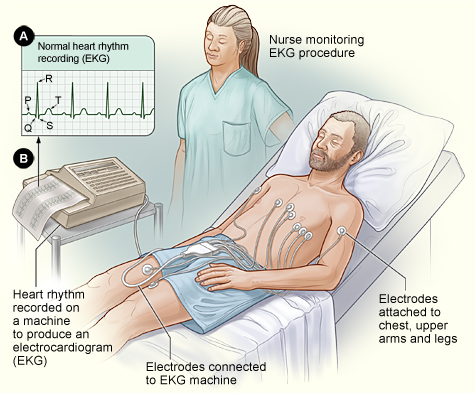
    An ECG records these signals through small sensors called electrodes, which are placed on your chest, arms, and legs. The data is then displayed as a series of waves on a screen or printed paper, representing how your heart is functioning in real time.

    Doctors analyze these wave patterns to identify irregularities in your heart rhythm, detect heart attacks, and monitor the effectiveness of ongoing heart treatments.

    How Does an ECG Work?

    The working principle of an ECG is quite straightforward, though scientifically fascinating.

    1. Electrode Placement
      During the procedure, a healthcare professional attaches several small, sticky electrodes to your skin — typically on the chest, wrists, and ankles. These electrodes are connected to an ECG machine using thin wires.

    2. Electrical Signal Detection
      As your heart beats, it sends out tiny electrical impulses. The electrodes pick up these signals and transmit them to the ECG machine.

    3. Data Recording
      The ECG device then records the signals and translates them into visual tracings — typically a line graph showing waves that correspond to each heartbeat.

    4. Analysis
      A doctor interprets these waveforms (P waves, QRS complexes, and T waves) to determine if your heart rhythm and electrical conduction are normal or if there are signs of issues such as arrhythmia, heart blockage, or damage from a previous heart attack.

    The entire process is quick, painless, and completely safe. A standard ECG usually takes about 5 to 10 minutes, and you can resume normal activities immediately afterward.

    Types of ECG Tests

    Depending on the symptoms and the condition being examined, there are different types of ECG tests:

    • Resting ECG: Performed while you are lying still; used for routine heart monitoring.

    • Stress ECG (Exercise ECG): Conducted while you walk or run on a treadmill to see how your heart performs under stress.

    • Holter Monitoring: A portable ECG device worn for 24–48 hours to record your heart’s activity throughout your daily routine.

    Benefits of ECG

    An ECG test offers numerous benefits for both preventive and diagnostic purposes:

    1. Early Detection of Heart Diseases

    ECGs can detect heart problems such as coronary artery disease, irregular heart rhythms, and heart attacks early — allowing timely treatment.

    2. Non-Invasive and Painless

    The test involves no needles, injections, or invasive procedures. It’s completely safe and comfortable for all age groups.

    3. Quick and Accurate Results

    The test takes only a few minutes and provides instant data, helping doctors make prompt decisions.

    4. Monitoring Heart Treatments

    If you are on medication or have undergone heart surgery, an ECG helps track your heart’s response to treatment.

    5. Useful for Routine Check-Ups

    Regular ECG testing can help prevent future complications, especially for people with a family history of heart disease.

    Uses of ECG

    ECG is a versatile diagnostic tool used in various medical situations. Some of its key applications include:

    • Detecting Arrhythmias: Identifying irregular or abnormal heartbeats.

    • Diagnosing Heart Attacks: Recognizing signs of a past or ongoing heart attack.

    • Evaluating Chest Pain: Determining whether chest discomfort is heart-related.

    • Checking Heart Health Before Surgery: Ensuring the heart can safely handle anesthesia and surgery.

    • Assessing Pacemaker Function: Monitoring if a pacemaker is working effectively.

    • Tracking Effects of Medications: Observing how heart-related drugs impact heart rhythm.

    Importance of ECG in Modern Medicine

    ECG is one of the most important tools in cardiology and general medicine because it provides real-time insights into heart health. Its importance lies in its ability to:

    • Prevent serious cardiac events: By identifying issues before they become life-threatening.

    • Support emergency care: ECG is often the first test performed when a patient experiences chest pain or fainting.

    • Aid in long-term monitoring: Continuous or periodic ECGs can track chronic conditions over time.

    • Guide treatment decisions: ECG data helps doctors customize medication plans, surgeries, or lifestyle changes for better outcomes.

    With heart disease being one of the leading causes of death worldwide, the role of ECG in early detection and prevention cannot be overstated.

    Are There Any Side Effects of ECG?

    An ECG test is extremely safe and has no major side effects. However, some people may experience:

    • Mild Skin Irritation: From the adhesive electrodes, especially for those with sensitive skin.

    • Discomfort from Cold Electrodes: Electrodes or gel might feel cold during application.

    • Temporary Redness: A slight mark or redness may appear where electrodes were placed, but it fades quickly.

    These are minor and temporary. The test itself does not emit any electricity into your body — it only records existing signals — so there is no risk of shock or pain.

    Who Should Get an ECG?

    You may be advised to get an ECG if you experience:

    • Chest pain or pressure

    • Shortness of breath

    • Dizziness or fainting

    • Rapid or irregular heartbeat

    • Unexplained fatigue

    • Family history of heart disease

    It’s also recommended for older adults, people with diabetes, high blood pressure, high cholesterol, or those leading a sedentary lifestyle.

    Conclusion

    An ECG (Electrocardiogram) is one of the most reliable, safe, and effective tools for assessing heart health. It helps detect potential problems early, monitor existing conditions, and ensure that your heart is functioning optimally.

    Whether as part of a routine check-up or a diagnostic test, an ECG provides vital information that could save your life. If you experience any heart-related symptoms or simply want to stay proactive about your health, don’t hesitate to schedule an ECG test.

    Your heart works tirelessly for you — give it the care and attention it deserves.